Article
#Economics
In 2025, Algeria recorded significant growth in non-hydrocarbon exports, reaching $7 billion, an increase of 45% on the previous year. This growth is the result of increased diversification into sectors such as chemicals, building materials and manufactured goods. Trade agreements have been signed with several African and European countries, facilitating access to international markets.
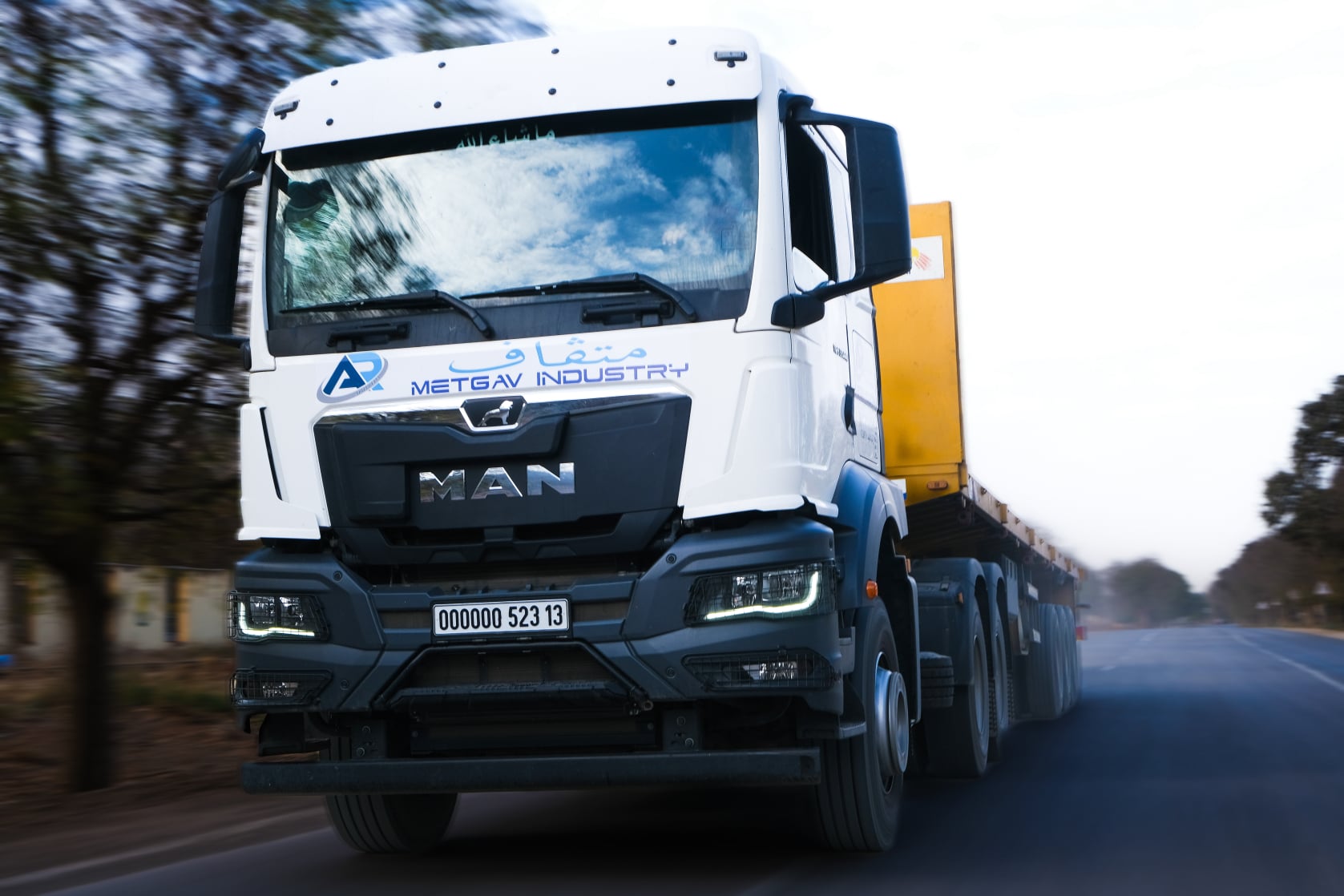
Among the companies contributing to this dynamic, EURL METGAV has distinguished itself by launching its first shipment of zinc mattes and ashes to Italy. This operation marks an important step in the company's international expansion, and illustrates the potential of Algerian non-hydrocarbon exports.
Despite these advances, Algeria has not fully achieved its initial targets for 2024 of between $8 and $10 billion in non-hydrocarbon exports. Nevertheless, the positive trend reflects ongoing efforts to diversify the economy and reduce dependence on hydrocarbons.
To support this growth, the Algerian authorities are implementing economic policies aimed at boosting business productivity, improving export competitiveness and further integrating the country into global value chains. These initiatives are essential to achieving the ambitious target of $29 billion in non-hydrocarbon exports by 2030.
EURL METGAV's example perfectly illustrates how Algerian companies can seize the opportunities offered by international markets, thereby contributing to the country's diversification and economic growth.
Article
#Environnement
At METGAV, environmental management is a top priority. We integrate responsible practices into all our iron and zinc processing activities, in compliance with government regulations and international standards.
Environmental policy:
Our environmental policy is designed to prevent pollution and ensure compliance with current standards. It guides our daily actions and reflects our commitment to sustainability.
Planning and Monitoring:
We systematically identify the environmental risks associated with our operations. Specific action plans are drawn up for each identified risk, accompanied by regular monitoring to ensure rapid and effective intervention.
Execution and Quality Control
Our quality department strictly supervises all stages of production. Laboratory analyses are carried out to continuously monitor pollution levels, enabling us to proactively adjust and improve our practices.
Objective:
We aim to ensure the sustainability of our operations while minimizing our environmental impact. This commitment translates into continuous improvement of our processes and increased awareness of ecological issues among our teams.
By adopting these concrete measures, METGAV asserts itself as a responsible industrial player, actively contributing to environmental protection while maintaining a high level of operational performance.
Article
#International_Trade
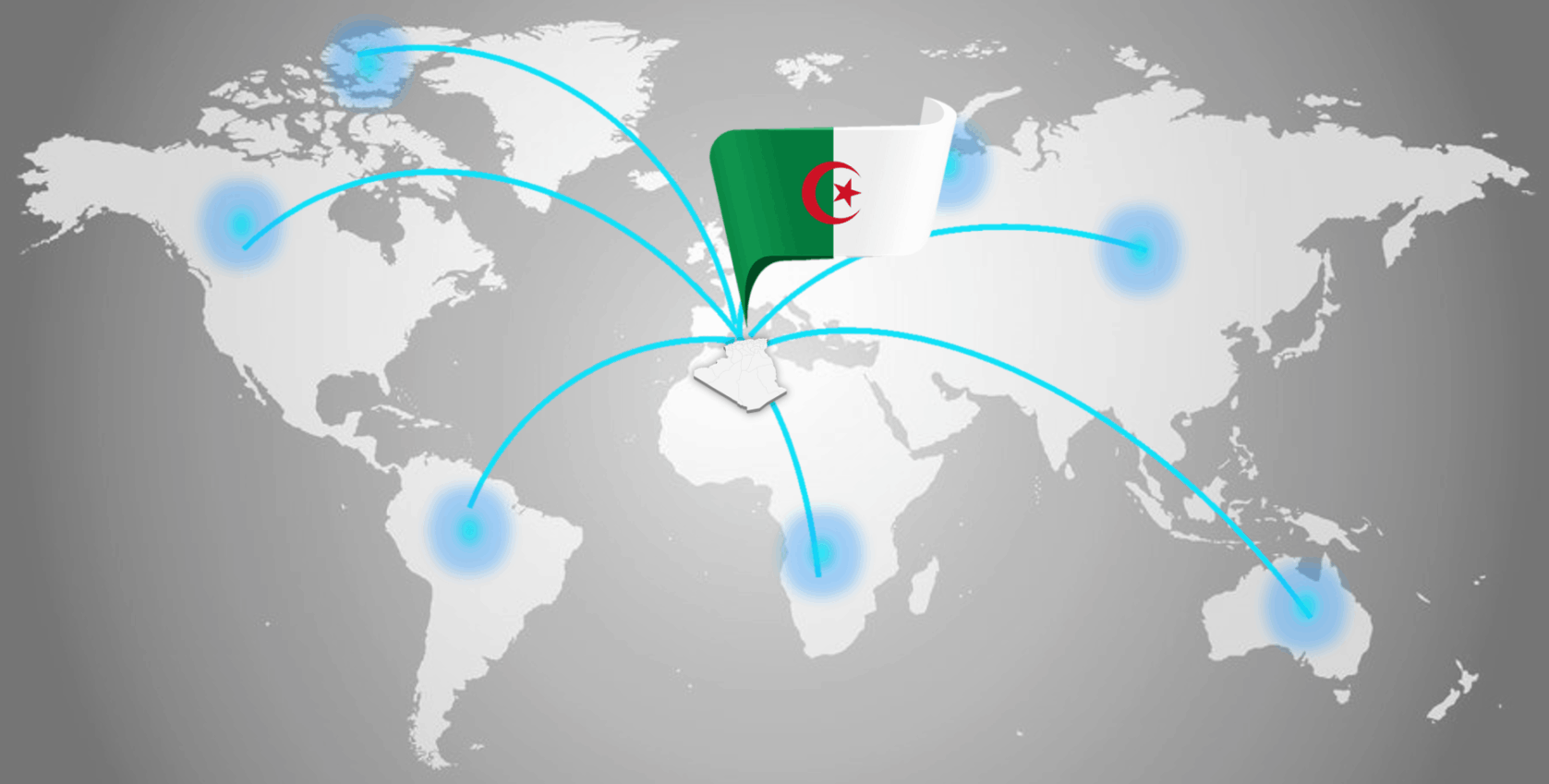
Algeria has signed a number of strategic trade agreements to strengthen its economic exchanges and consolidate its position on the international stage. These partnerships offer significant opportunities for Algerian companies, particularly in the industrial sector.
Main agreements :
AfCFTA (African Continental Free Trade Area): Launched to facilitate intra-African trade by reducing tariff barriers, this zone offers Algerian companies privileged access to a market of over 1.3 billion consumers.
GZALE (Greater Arab Free Trade Area): Since 2009, this agreement has promoted trade with Arab countries, enabling an increase in Algerian exports to these markets.
Preferential agreement with Tunisia: This partnership establishes an advantageous tariff regime for Algerian and Tunisian products, strengthening bilateral trade relations.
Association Agreement with the European Union: In force since 2005, this agreement aims to strengthen economic and trade cooperation with Europe, Algeria's main trading partner.
Agreements with Asia-Oceania and Mercosur: These agreements develop economic relations with strategic regions, diversifying outlets for Algerian products.
Commercial cooperation with Jordan: Since 1999, this agreement has accelerated bilateral trade, facilitating access to Middle Eastern markets.
Opportunities for Algeria:
These agreements offer several advantages, including market expansion, economic diversification and increased attractiveness for foreign investment. They enable Algerian companies to integrate more fully into the global economy and reduce their dependence on hydrocarbons.
Case study: METGAV
METGAV is a perfect illustration of the benefits of these agreements. Specializing in iron and zinc processing, METGAV recently launched its first shipment of zinc mattes and ashes to Italy, a member of the European Union. This operation, announced at a trade show, marks a significant step in the company's international expansion, and demonstrates the potential of commercial agreements to facilitate access to European markets.
By capitalizing on these strategic partnerships, METGAV has succeeded in diversifying its outlets and strengthening its competitiveness on the international scene. This success testifies to the opportunities offered by Algeria's trade agreements for ambitious local companies.
Article
#Industry_Algeria
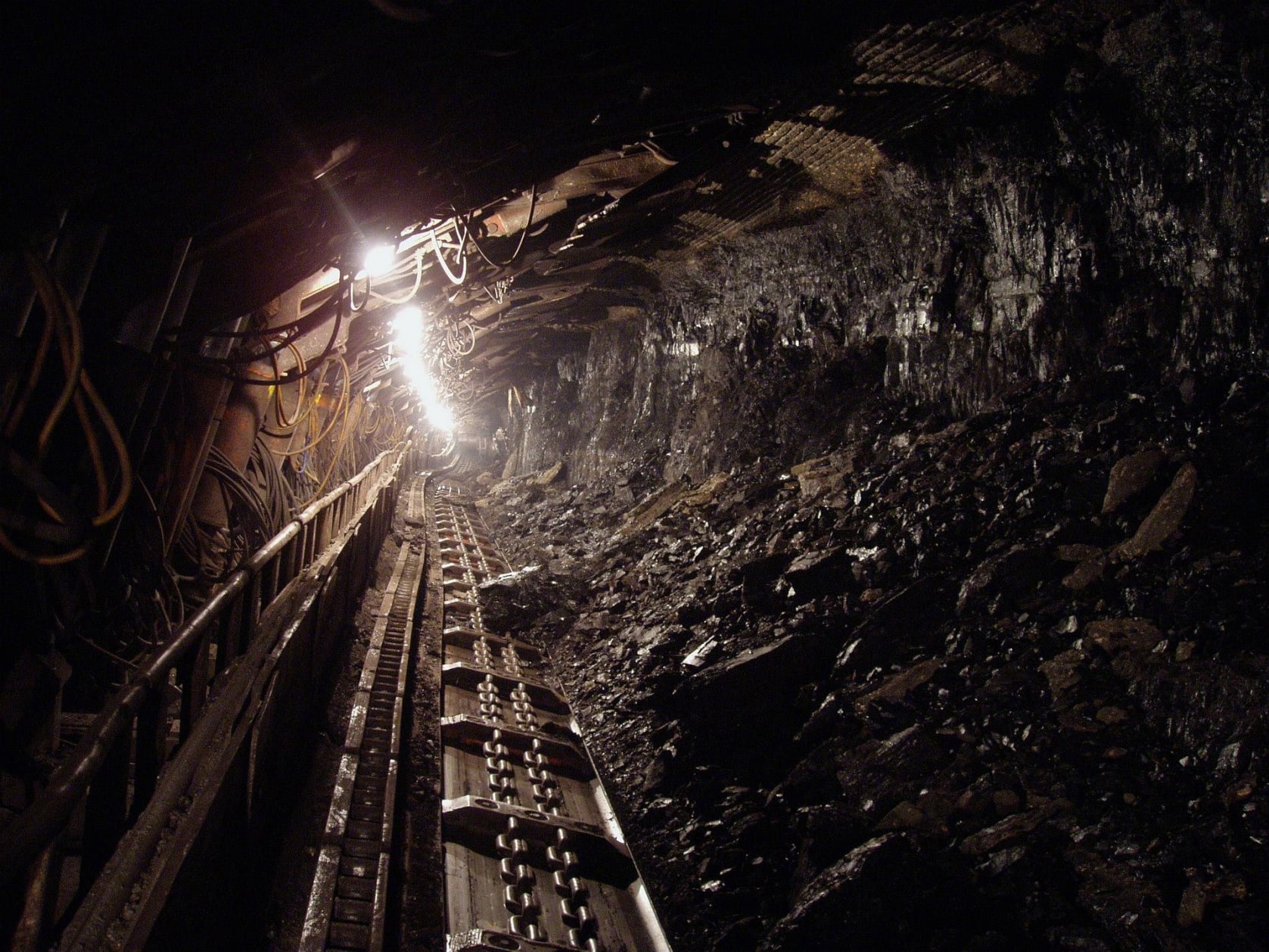
algeria, rich in mineral resources such as iron, zinc, lead, uranium, copper and gold, considers the mining sector to be an essential pillar of its economy. The sector contributes not only to exports, but also to the supply of local industries.
Importance of mining in Algeria
Historical heritage: Mining in Algeria dates back to Roman times, testifying to a long-standing tradition in this field.
Contribution to exports: In 2022, Algeria's mineral production reached 147.937 million tonnes, up from 146.226 million tonnes in 2021.
This growth is partly due to increased demand from Asian markets.
Support for local industries: Mineral resources feed key sectors such as steel, cement and chemicals, strengthening the national industrial value chain.
Challenges and issues
Environmental impact: Mining projects, such as the Tala Hamza zinc and lead project, raise environmental concerns among local communities, particularly with regard to potential pollution of farmland and groundwater.
Operating costs and technological dependence: Mining requires substantial investment, and Algeria often relies on imported technologies, which can increase operating costs.
Regulatory framework: Despite reforms, bureaucracy and red tape can still hamper the sector's attractiveness to foreign investors.
New Mining Policy (2021)
In 2021, the Algerian government has introduced a series of reforms designed to boost the mining sector:
Administrative simplification: Reduction of procedures to make it easier to obtain permits and encourage investment.
Fiscal and Financial Incentives: Introduction of incentives for companies investing in exploration and mining.
Reinforcement of safety standards: Improvement of working conditions and adoption of international standards to ensure worker safety.
Future prospects
With mineral production set to reach almost 148 million tonnes by 2022, Algeria has significant mining potential. Major projects, such as the development of the Tébessa phosphate deposit, estimated at 1.5 million tonnes per year with reserves of 2 billion tonnes, illustrate this dynamic. In 2022, the Manadjim El Djazaïr (Manal) mining industrial group achieved exports worth $216 million, recording growth of
110% over the previous year
By modernizing its infrastructure and improving its attractiveness to foreign investors, Algeria aims to exploit its mining potential to the full, while ensuring sustainable, environmentally-friendly development.
Article
#Economics_Africa
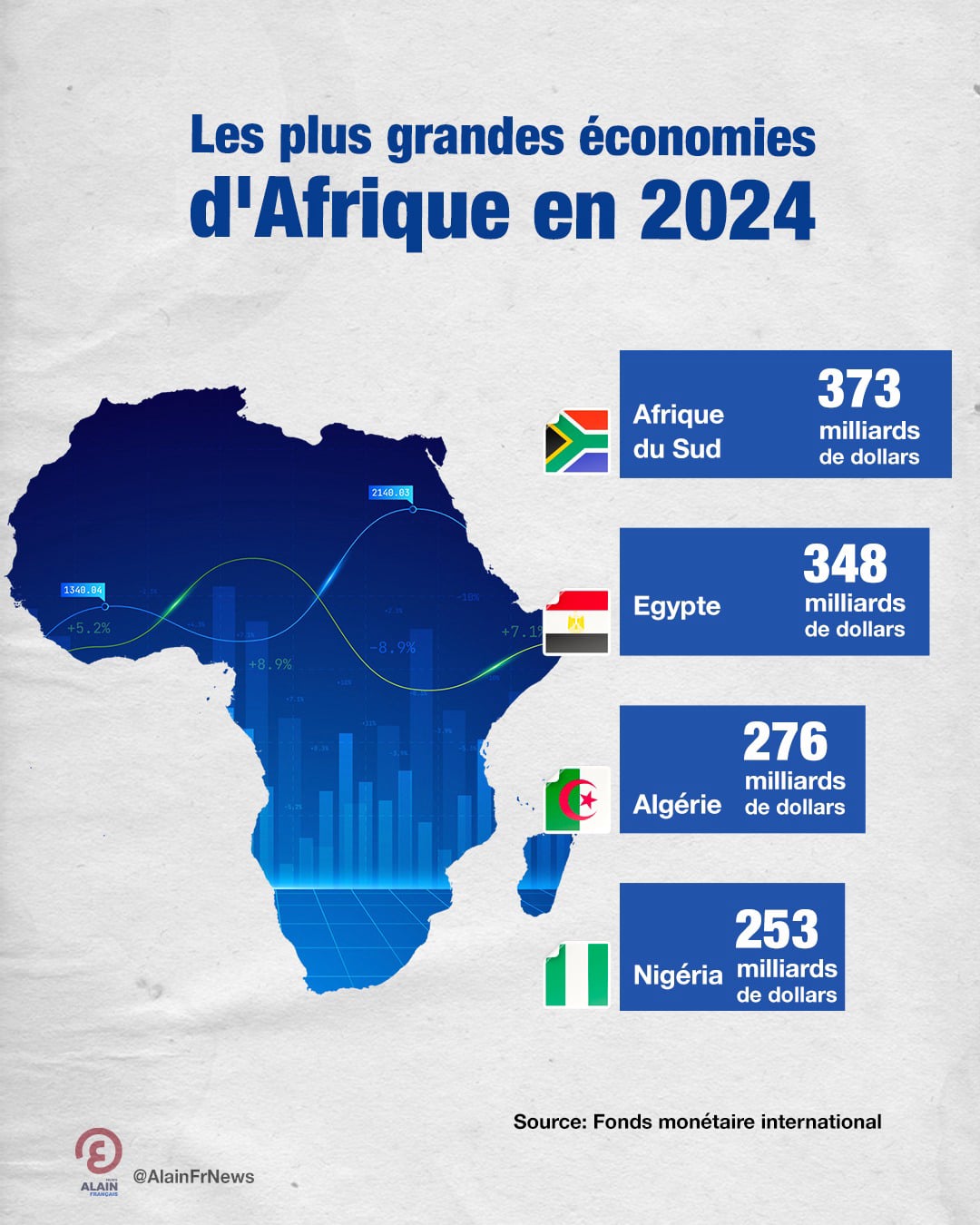
In 2024, the African economic landscape has undergone some notable changes, with several countries standing out for the size of their gross domestic product (GDP) and their economic growth. Here's an overview of the continent's leading economies, based on recent data:
South Africa 🇿🇦
GDP: US$ 403 billion
Population: 63.2 million
GDP per capita: US$ 6,376
Key sectors: mining, financial services, manufacturing
Egypt 🇪🇬
GDP: US$260 billion
Population: 46.1 million
GDP per capita: US$5,635
Key sectors: tourism, telecommunications, financial services
Algeria 🇩🇿
GDP: US$230 billion
Population: 128.7 million
GDP per capita: US$1,787
Key sectors: oil & gas, manufacturing, services
Nigeria 🇳🇬
GDP: US$380 billion
Population: 114.5 million
GDP per capita: US$3,318
Key sectors: oil & gas, telecommunications, agriculture
Morocco 🇲🇦
GDP: US$199 billion
Population: 37.7 million
GDP per capita: US$ 4,165
Key sectors: automotive, tourism, agriculture
Ethiopia 🇪🇹
GDP: US$157 billion
Population: 227.9 million
GDP per capita: US$876
Key sectors: agriculture, textiles, services
Kenya 🇰🇪
GDP: US$116 billion
Population: 55.3 million
GDP per capita: US$2,102
Key sectors: financial services, agriculture, ICT
Ghana 🇬🇭
GDP: US$113 billion
Population: 36.7 million
GDP per capita: US$3,083
Key sectors: mining, cocoa, oil
Tanzania 🇹🇿
GDP: US$86 billion
Population: 31.2 million
GDP per capita: US$ 2,791
Key sectors: agriculture, tourism, telecommunications
Ivory Coast 🇨🇮
GDP: US$79 billion
Population: 66.6 million
GDP per capita: US$1,199
Key sectors: cocoa, manufacturing, financial services
These data illustrate the diversity and dynamism of African economies, each making a significant contribution to the continent's development.